



Accounting and financial teams work on deadlines. Even a short delay can interrupt reporting, reconciliations, client communication, and access to the systems your team depends on every day.
When these issues continue, patient care becomes harder to deliver efficiently. Delays in system access can bottleneck intake, slow treatment, interrupt billing, and create added compliance risk. In healthcare, even small technology problems can ripple across the day and make it harder for both clinical and administrative teams to stay on track, communicate clearly, and keep care moving smoothly.
When your plant runs lean, every manual step matters. If job updates live in email, inventory is tracked in spreadsheets, and teams rely on tribal knowledge, small workflow gaps turn into bigger production problems.
When these issues continue, the workday gets harder to manage. Small delays turn into lost time, recurring problems create distractions, and technology starts feeling like something your team has to work around instead of rely on. What should be simple starts taking longer, and your team ends up spending more time dealing with issues instead of focusing on clients, projects, and day to day work.
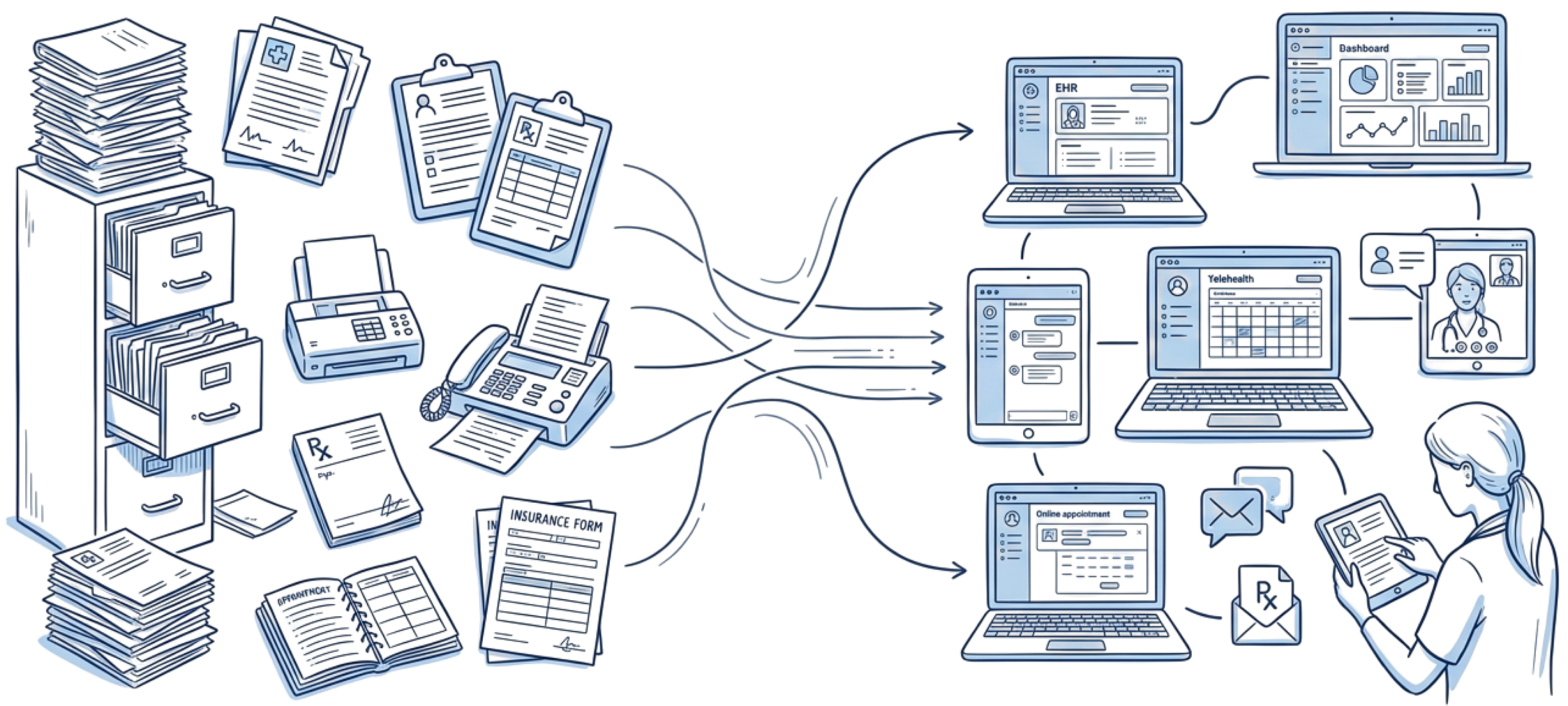
Healthcare IT is not about replacing the systems your practice is required to use. It is about keeping those systems fast, stable, and secure so clinicians and staff can keep work moving.


Look at where access issues, recurring problems, or unstable systems are getting in the way of patient care, intake, billing, and other daily workflows.
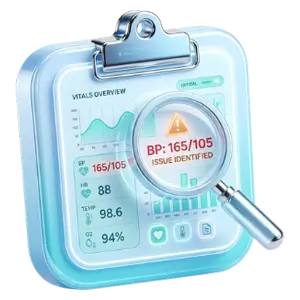
Prioritize the improvements that help your team work faster, stay connected, and rely on core systems with more confidence.
Make updates in manageable phases so care teams and staff stay supported as performance, security, and reliability improve.

With the right support in place, your team can spend less time waiting on systems and more time focused on patients, practice operations, and the work that keeps care moving.

Get answers about fast response, data security, and practical next steps.
Yes. The goal is to keep your current systems fast, secure, and easier to use together, not force unnecessary change. That can include support for EHR and practice management platforms, billing systems, collaboration tools, secure file storage, and the other systems your team depends on every day.