







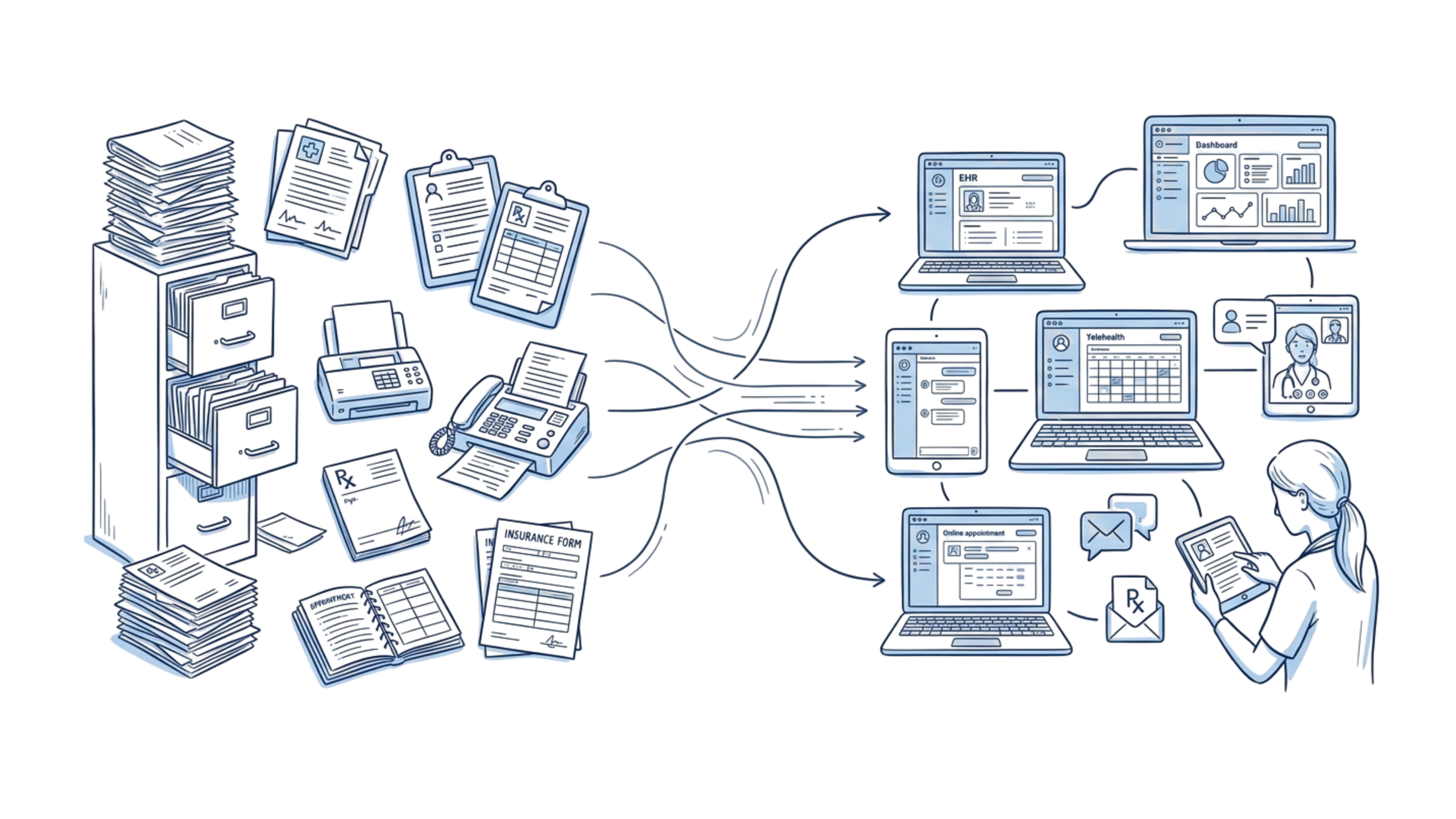



Are slow systems getting in the way of document access or filings?

Are IT issues taking too long to reach the right technician?

Vendors push solutions that do not consider how your people work.

Are slow systems making reporting or client work harder to manage?

Are IT issues taking too long to reach the right technician?

Do your accounting platforms need to stay fast, secure, and always available?

Are clinicians losing time waiting on EHRs or practice management tools?

Are network issues or frozen systems slowing down intake, billing, or telemedicine?

Is support taking too long in moments when your team needs help right away?

Are teams re-entering the same information in multiple places?

Are updates getting lost between departments, systems, or vendors?

Is it harder than it should be to see job status, capacity, or bottlenecks?

Is dispatch re-entering the same information in multiple systems?

Are warehouses relying on spreadsheets, workarounds, or bad data to keep work moving?

Do drivers, fleet teams, and office staff lack the real-time visibility they need?

Are field teams losing time when systems freeze or jobsite access fails?

Are files, updates, or design revisions getting stuck between the office and the field?

Are disconnected tools making collaboration harder than it should be?

Is your team losing time to recurring tech issues that should already be solved?

Are slow systems or connectivity problems making it harder to serve clients?

Is technology starting to feel harder to manage as your business grows?

What Better Healthcare Operations Can Look Like

Healthcare IT is not about replacing the systems your practice is required to use. It is about keeping those systems fast, stable, and secure so clinicians and staff can keep work moving.

Your clinicians get back
into the EHR faster

Patient data management

Appointment scheduling automation

Clinical workflow optimization

Compliance & documentation

A Practical Approach to Healthcare IT

Healthcare environments need improvements that support care without creating more disruption. That means identifying the right problems first, then making changes in a way that keeps systems stable for the people using them every day.

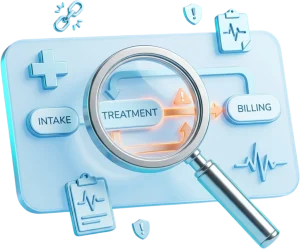
Spot the Slowdowns Affecting Care

Look at where access issues, recurring problems, or unstable systems are getting in the way of patient care, intake, billing, and other daily workflows.
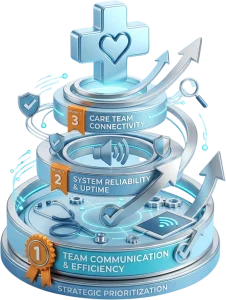
Śon What Supports Care First

Prioritize the improvements that help your team work faster, stay connected, and rely on core systems with more confidence.
Make Improvements Without Disrupting Care

Make updates in manageable phases so care teams and staff stay supported as performance, security, and reliability improve.


GiaSpace helps
Anuco RX secure pharmacy
operations, patient data and
regulatory compliance.

Take Back Your Time

Your clinicians and staff should not have to lose time to slow systems, support delays, or security concerns. Better technology support should make patient care easier to deliver, not harder.

With the right support in place, your team can spend less time waiting on systems and more time focused on patients, practice operations, and the work that keeps care moving.

question-mark

Common Questions Healthcare Providers Ask

Get answers about fast response, data security, and practical next steps.

Yes. The goal is to keep your current systems fast, secure, and easier to use together, not force unnecessary change. That can include support for EHR and practice management platforms, billing systems, collaboration tools, secure file storage, and the other systems your team depends on every day.

Security is built into the foundation with layered protection that can include encryption, monitoring, phishing protection, backups, and identity safeguards. That helps reduce risk around patient data while supporting HIPAA and related compliance expectations.
Healthcare teams cannot afford long waits. Fast issue routing helps the right technician start working on the issue sooner, so clinicians can get back into the EHR and staff can get back into critical systems faster.
Yes. Reliable uptime matters across care delivery and administrative workflows, including telemedicine, practice management, billing, and secure cloud access.
No. Most healthcare providers rely on fixed tools they cannot simply replace. The focus is on keeping those systems fast, stable, secure, and compliant so patient care does not get interrupted.