

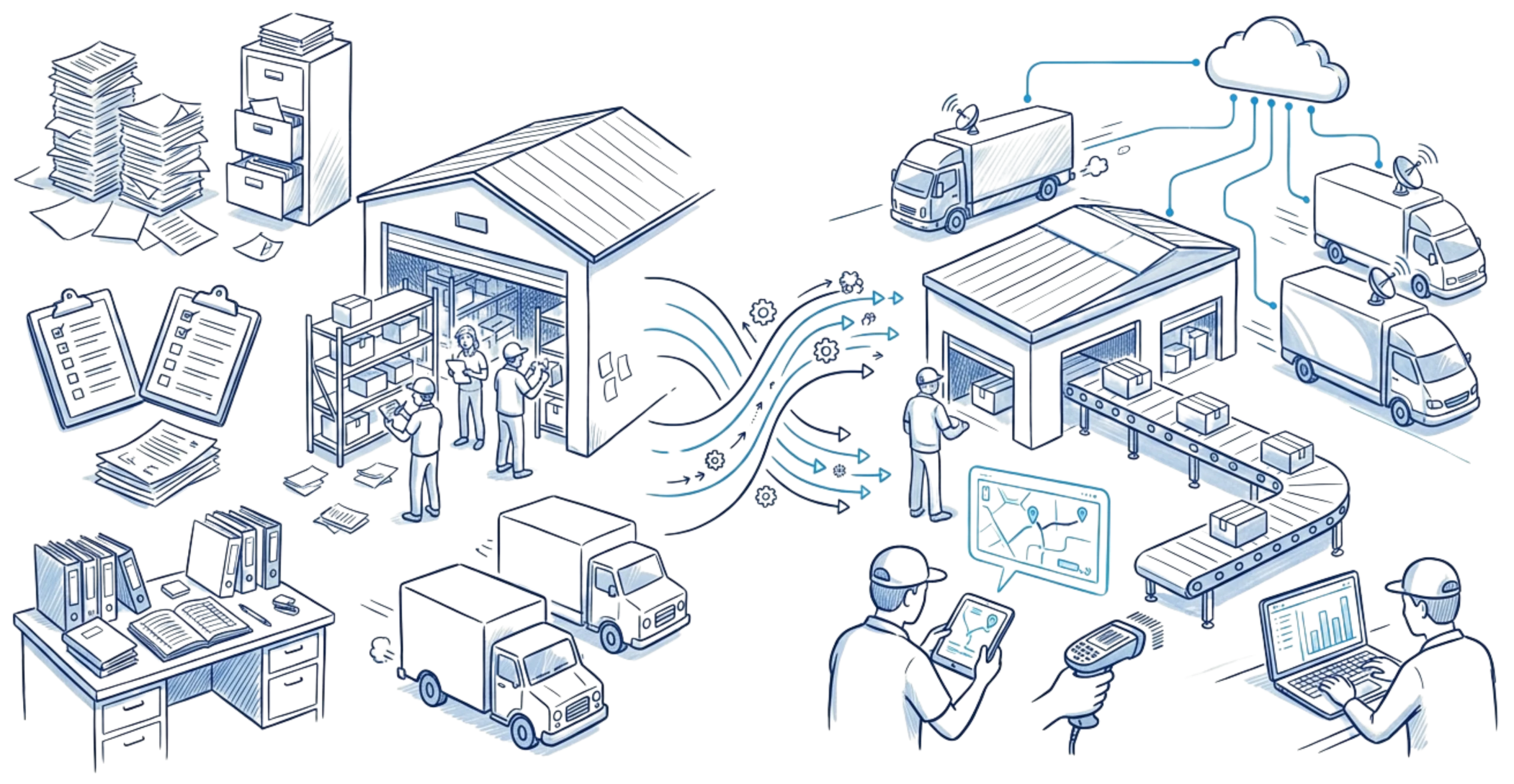



Is dispatch re-entering the same information in multiple systems?

Are warehouses relying on spreadsheets, workarounds, or bad data to keep work moving?

Do drivers, fleet teams, and office staff lack the real-time visibility they need?

What Stronger Logistics Operations Can Look Like

Logistics teams depend on timing, coordination, and visibility. When systems work better together, updates move faster, teams stay aligned, and customers get clearer information.

Smart factory diagram showing warehouses, assembly line, conveyors and IoT sensors coordinating logistics.
Dispatch and operations
stay better aligned
Handshake inside a magnifying glass with the word GIASPACE, symbolizing partnership and collaboration.

Quality control automation

Production line optimization

Demand forecasting

Equipment monitoring & analytics

Modernize in Phases Without Interrupting Production

Logistics changes need to work across teams, sites, and systems. That means improving the right areas in the right order without creating more disruption along the way.

Identify Where Operations Slow Down

Look at the systems, handoffs, and manual workarounds creating friction across your operation. This helps pinpoint where delays are getting in the way.
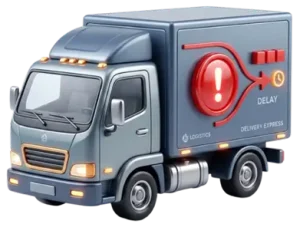
Delivery truck with a red warning exclamation mark indicating a delay

Prioritize What Needs To Improve First

Focus on the changes that will have the biggest impact on visibility, communication, and day-to-day execution. Start with the areas creating the most friction.

Circular dial with orange center knob labeled HIGH 1, MEDIUM 2, LOW 3 indicating level setting or power level.

Roll Out Improvements in Phases

Make changes in steps that fit your operation, with the support needed to keep work moving. A phased approach helps teams adapt without adding extra disruption.
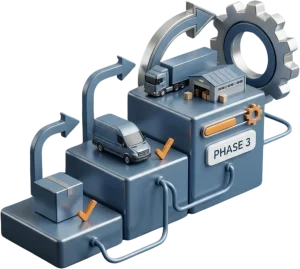

GiaSpace helps Mickey Truck Bodies maintain operastions and minimize downtime.

Take Back Your Time

Your teams should not have to spend their day re-entering data, chasing updates, or working around disconnected systems. With the right technology strategy and support in place, logistics operations become easier to manage, reducing delays, improving visibility, and keeping freight, warehousing, and delivery work moving with less friction.

Common Questions Logistics Companies Ask

Get answers about logistics workflow modernization, connected systems, and practical next steps.

By starting with how your workflows operate today, then building a phased roadmap around your priorities. The goal is to improve systems in a manageable order, not create unnecessary disruption.

It starts by identifying where information is being entered twice, where updates are getting lost, and where systems are not syncing the way they should. From there, the focus shifts to improving data flow, visibility, and consistency across day-to-day operations.
Yes. Logistics operations often depend on reliable access across warehouses, trucks, dispatch teams, offices, and remote users. GiaSpace helps keep those environments connected, secure, and easier to support.
Logistics improvements often involve more than day-to-day support. They can require vendor coordination, budgeting, sequencing, and long-term planning to make sure systems improve without disrupting operations.
No. Reliable support, uptime, and security are still important, but the bigger goal is helping logistics companies reduce workflow friction, improve visibility, and modernize operations in practical phases.
Get IT Help Now