Email is still the fastest way into your systems, your data, and your people. The right email security solutions stop threats before they reach inboxes, protect sensitive information, and strengthen every layer of your cybersecurity strategy.
We spend most of our day in email, moving quickly through messages without stopping to question each one. By the time something looks suspicious, it’s often already been opened. That familiarity is exactly why it’s dangerous.
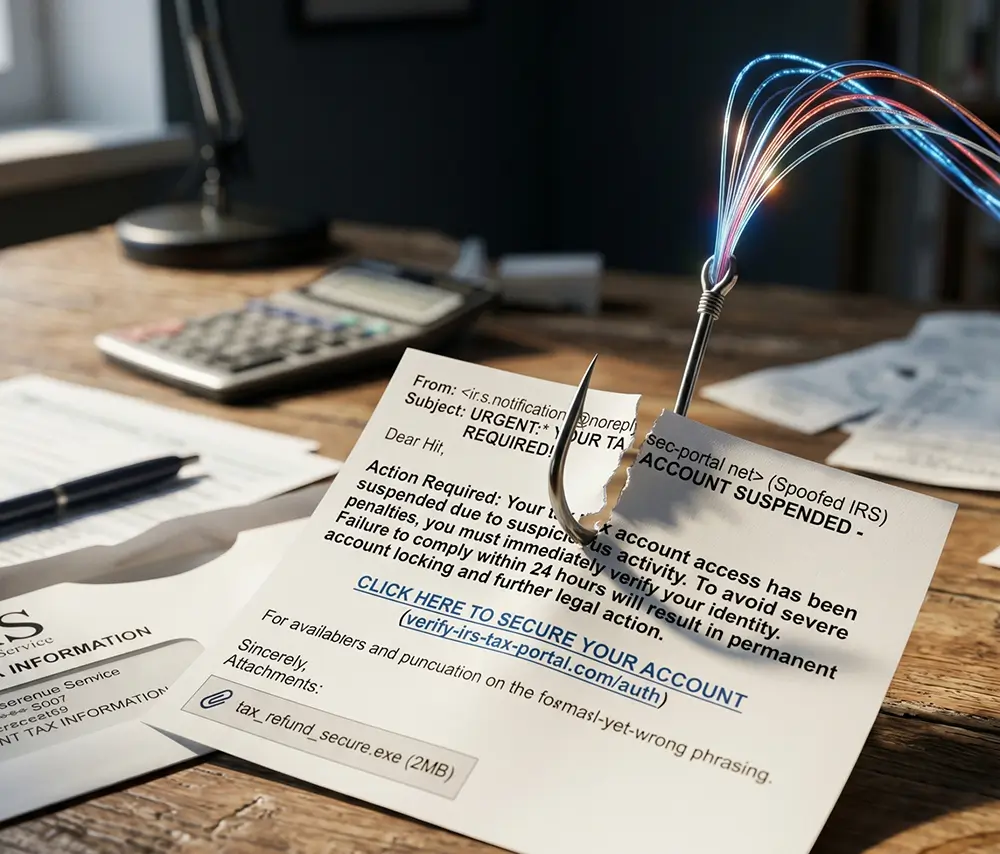
Phishing emails don’t look suspicious anymore. They look normal. They sound urgent. And they often arrive when someone is busy, distracted, or trying to move fast. Relying on people to “just be careful” puts pressure in the wrong place.
Most organizations have something in place for email protection. But few feel confident answering questions like:
Would we know if an account was compromised?
Are sensitive emails actually protected once they’re sent?
If someone clicks the wrong link, what happens next?
Most businesses assume their email is protected. But when email security is treated as basic filtering or an optional add-on, gaps form quietly in the background. Phishing attempts slip through, spoofed domains go undetected, and by the time an attacker takes advantage, the damage is already done.
Email Security Only Matters if it Works Under Pressure.
Organizations rely on this approach because it reduces real-world risk, not just theoretical exposure. Fewer successful phishing attempts. Faster response when something looks suspicious. Clear answers instead of guesswork.
When email is secured properly, it stops being the weakest link and starts reinforcing everything else.
Protection Works Best When Layers Work Together.
Email security isn’t one tool or one setting. It’s a coordinated system designed to reduce risk at every stage, from delivery to login to response. Email security works because it’s managed as a system, not a checklist. Each layer supports the others, and nothing critical is treated as an optional upgrade.
Threats are stopped before they reach inboxes
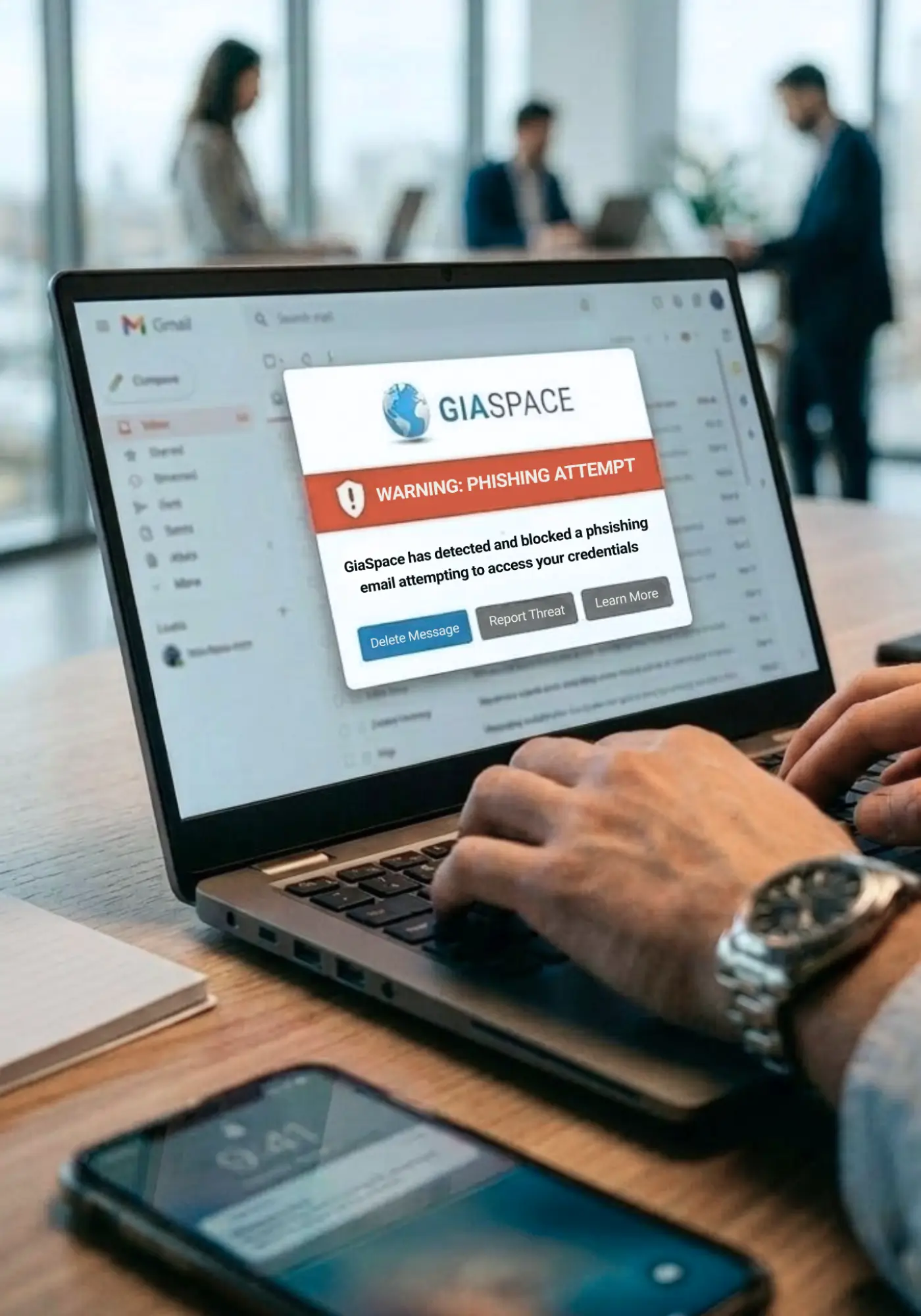
Advanced filtering blocks phishing attempts, malware, spoofed senders, and malicious attachments before employees ever see them. Dangerous messages are intercepted early, reducing exposure and distraction.
Clicks don’t automatically become incidents
If a malicious link does get clicked, additional protections step in. DNS filtering and identity controls block known threats and prevent credentials from being harvested, even after the fact.
Sensitive messages stay private
Encryption and data-loss prevention protect confidential information in transit. Emails containing sensitive data stay secure and compliant without relying on employees to remember special steps.
Compromised accounts are detected early
When something feels off, users don’t guess. Suspicious messages are forwarded directly to the help desk for review. Clear protocols replace hesitation, uncertainty, and delayed reporting.
Employees know exactly what to do
Unusual login behavior and account activity are monitored continuously. Suspicious patterns are flagged quickly, allowing action before attackers can move deeper into systems or cause damage.
Access stays locked down
Multi-factor authentication is enforced across all email accounts, requiring verification beyond passwords. Even if credentials are stolen, they aren’t enough to gain entry without extra steps.
From Concern to Confident in One Call.
At GiaSpace, we don’t just address the immediate threat. We stay involved long after the first fix to make sure every vulnerability is identified, every concern is resolved, and your business stays protected going forward.
Thanks for your immediate response today! Two of our office emails were hacked and he jumped right in and changed our passwords. Thanks for all your assistance today!”
Get the answers you need to make informed and confident email security decisions.
Is email really the biggest security risk?
Yes. Email remains the most common entry point for cyberattacks because it targets people, not just systems. A single successful phishing attempt can lead to credential theft, data loss, or ransomware. Securing email reduces risk across your entire environment.
Isn’t employee training enough?
Training helps, but it isn’t enough on its own. Even well-trained employees can miss a convincing message. Email security combines training with technical controls, monitoring, and response so protection doesn’t rely on perfect human behaviour.
Will stronger email security slow down work?
No. Protection runs quietly in the background. Legitimate messages flow normally, access stays smooth, and security controls don’t add friction to everyday communication.
What happens if someone reports a suspicious email?
The message is analysed by the help desk, not ignored or guessed at. If its malicious, action is taken immediately. If it’s safe, the employee gets a clear answer and can move on.
Is email security sold separately?
No. Email security is treated as a core component of cybersecurity, not an add-on. Protection, monitoring, and response are included as part of a complete security approach, without tiers or surprise upgrades.
Does this help with compliance requirements?
Yes. Encryption, access controls, monitoring, and documented response processes support compliance across regulated industries by protecting sensitive data and enforcing consistent security standards.